Oct 19, 2026
| Answer Plot
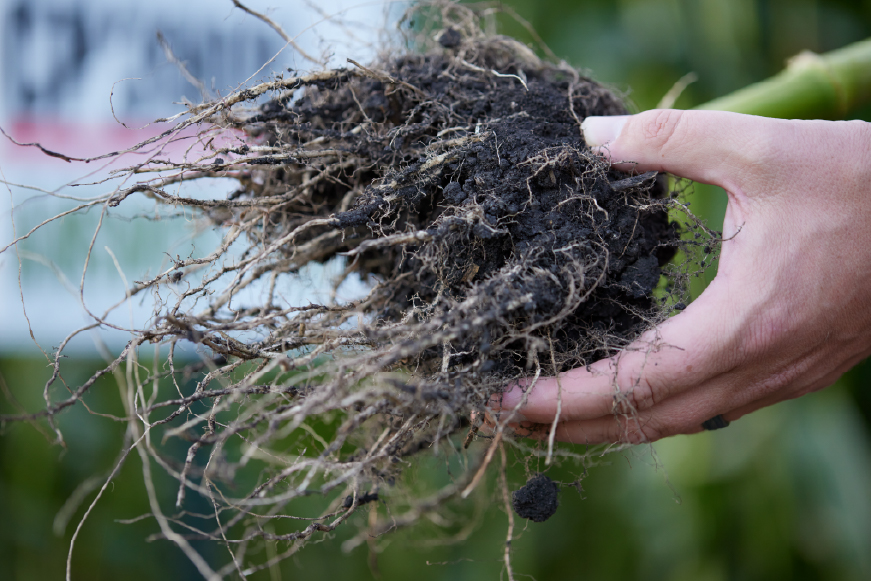
As growers look for new ways to enhance plant health and performance throughout the season, the biological crop input market has grown in popularity, particularly for row crops.
Here’s a closer look at how the latest WinField® United biologicals were selected fo...
Oct 06, 2026
| Answer Plot
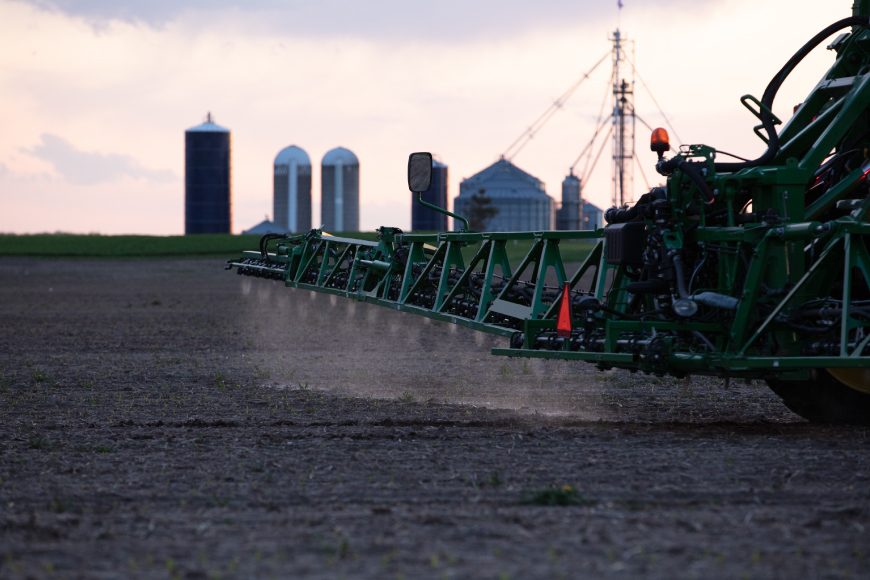
If conditions in your area allow you to make a fall burndown application, it can make the spring a little easier from a weed management perspective. Applying in the fall allows you to target frequent winter annuals with herbicides at the start of their life cycles, before they gr...
Aug 25, 2026
| Answer Plot
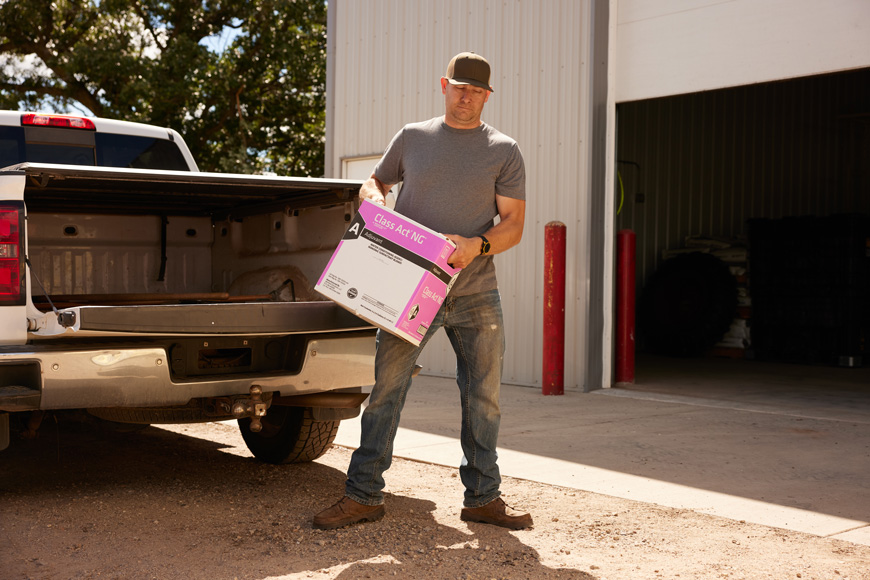
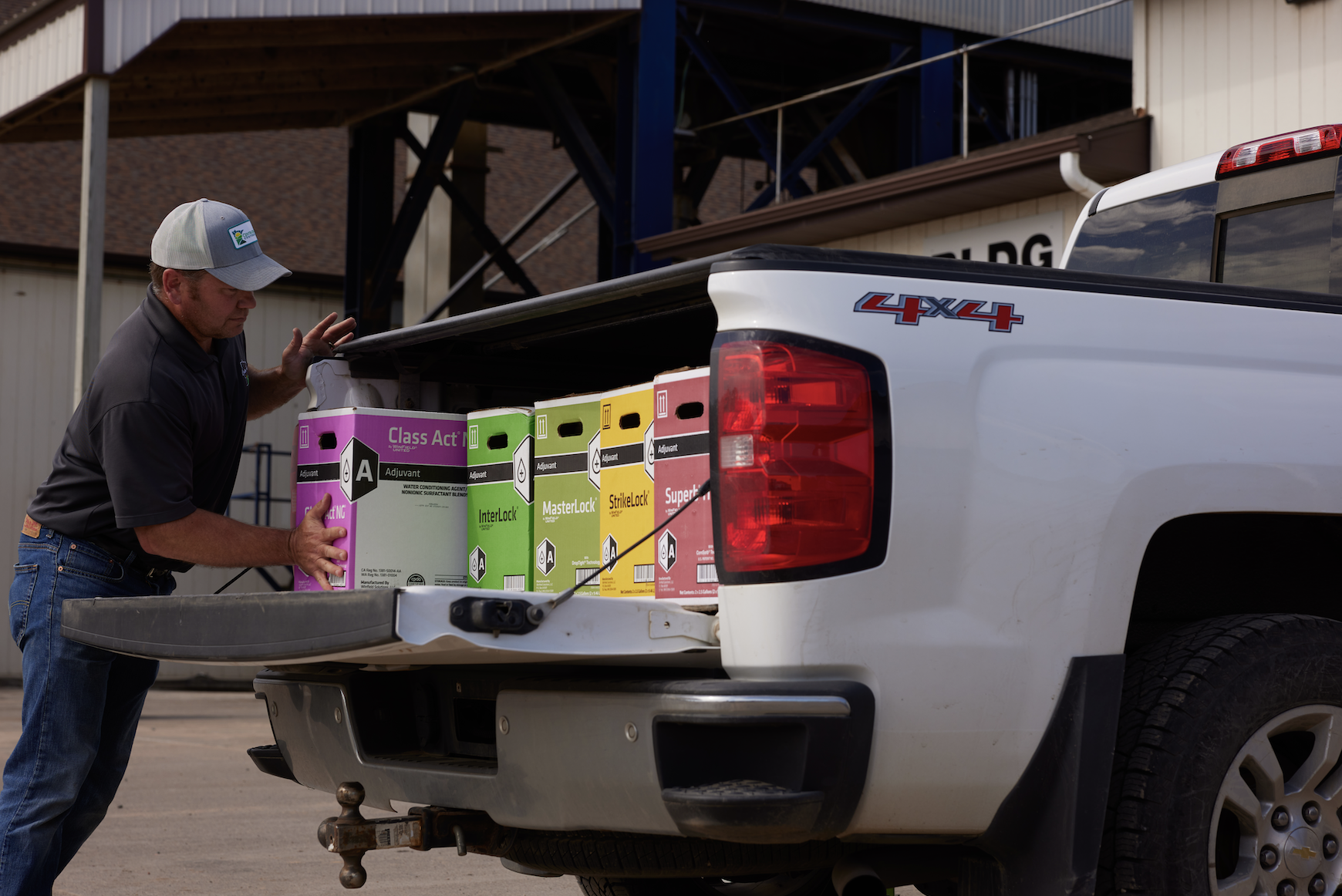
When input budgets get tight, it is easy to look at the price tag on a jug of adjuvant and wonder whether a lower-cost generic product will do the job just as well as a premium-branded one. After all, if the active ingredients are similar, why pay extra?
However, looking stric...
Jun 11, 2026
| Answer Plot
If I had a crystal ball, I could tell you how heavy disease pressure will be in the future. But since I don’t, my best advice is to use data and your trusted advisors to determine the best course of action to protect plant health.
Use resources to make educated fun...
May 04, 2026
| Answer Plot
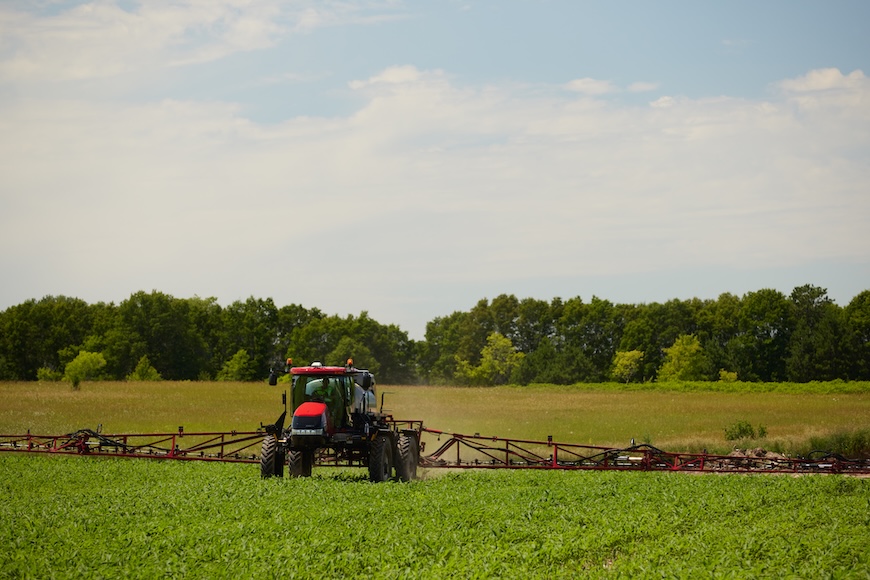
To maximize profitability potential, every dollar spent on crop protection products must deliver the best possible return on investment. That’s where adjuvants come in. They’re the unsung heroes of the tank mix, and they can help enhance the performance of herbicides,...
Mar 04, 2026
| Answer Plot
Planting is just around the corner. Every decision you make, including your seed purchase and the ground conditions you place it in, can affect the number on the yield monitor at harvest. When seeds start in cold, wet soils, it can lead to early-season plant stress that can impac...